Age of Kalashnikov’s AK 47
Episode 3 of 3 | Machine Gun: History Down the Barrel of a Gun
Episode 3 — Age of the Kalashnikov.
From the trenches of two world wars to the anti-colonial uprisings of the 20th century, the AK-47 becomes the people’s weapon and the defining symbol of modern asymmetric warfare.
At the center of every armed conflict of the 20th Century, the machine gun has been a tool of conquest – and of liberation.
Everywhere, it has unleashed consequences its creators never imagined. This is the history of one of the world’s deadliest inventions, a story of technological innovation, the industrial revolution, and political power.
Machine Gun: History Down the Barrel of a Gun, is a sweeping look at the rise of the American empire.
The AK-47 and the Global Machine Gun
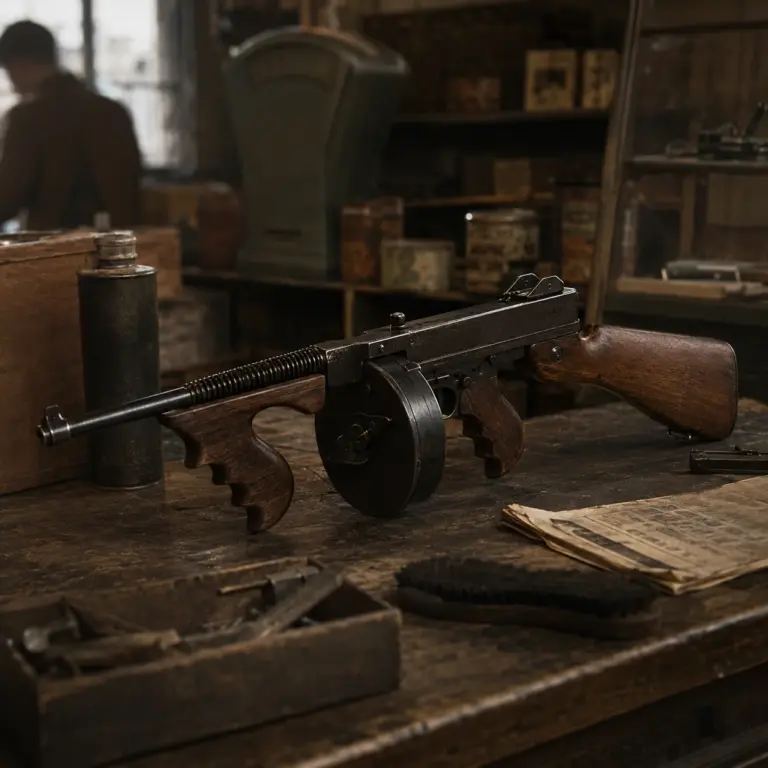
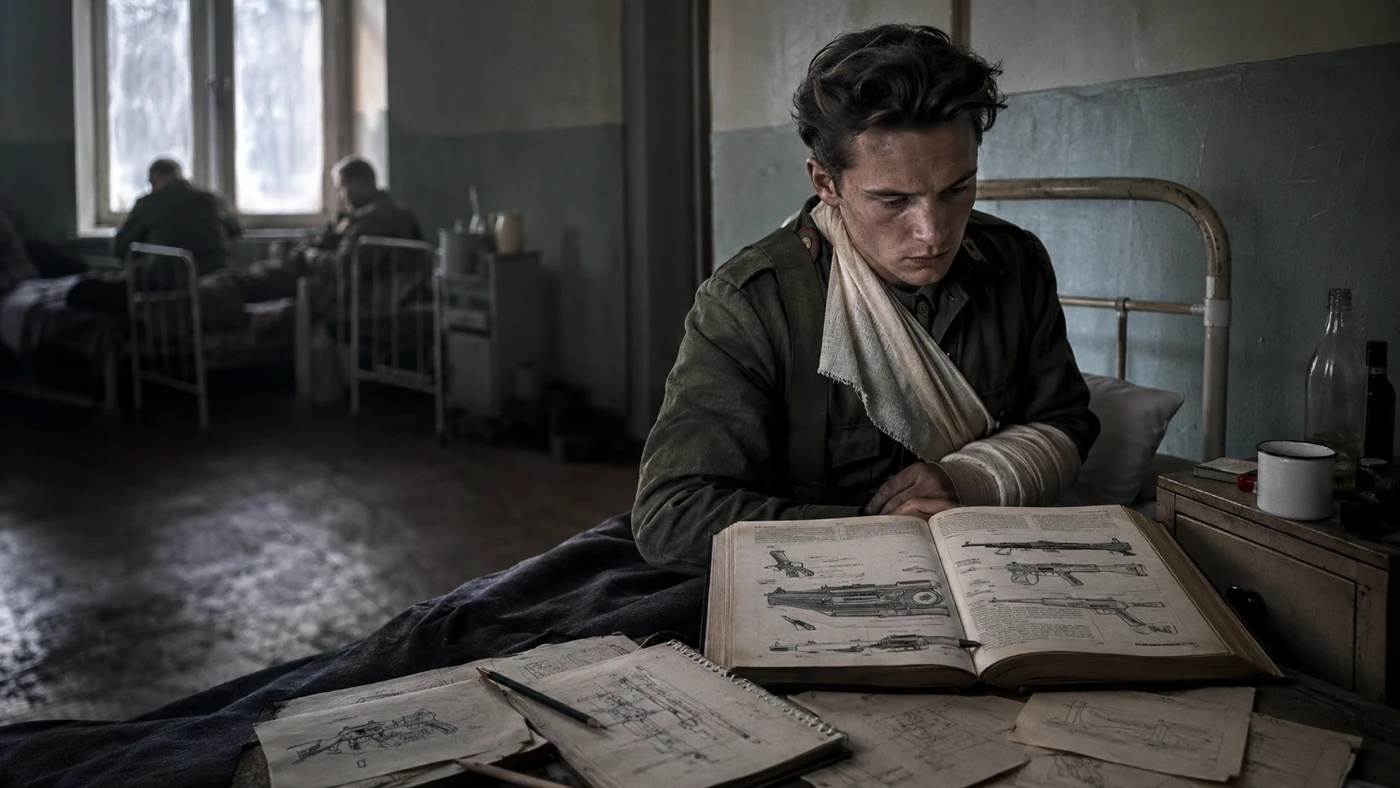
The third episode begins with a wounded young Soviet soldier, Mikhail Kalashnikov, recovering in a hospital and studying automatic weapons. His desire to defend his homeland leads to the creation of the AK-47 — a rugged, simple, reliable rifle that will become one of the defining weapons of the Cold War.
As European empires collapse after World War II, anti-colonial movements take up leftover machine guns and guerrilla tactics. The AK-47 soon becomes the weapon of revolutions, insurgencies, and proxy wars. In Vietnam, it helps poorly equipped fighters confront the world’s most powerful military, while the United States responds with helicopters, M60s, aerial Gatling guns, and overwhelming firepower. Yet technology alone cannot defeat a people fighting a war of survival.
After Vietnam, the AK spreads through Cold War proxy conflicts in Afghanistan, Africa, Latin America, and beyond. Arms dealers, intelligence agencies, governments, militias, and warlords turn the machine gun into a global commodity. With the collapse of the Soviet Union, millions of automatic weapons remain scattered across poorer nations, feeding civil wars, collapsed states, child soldier armies, and urban violence from Mogadishu to Los Angeles.
The episode ends by looking toward the future, where new weapons such as Metal Storm promise even greater rates of fire. Like Gatling before him, its inventor claims the technology may save lives. But the history of the machine gun suggests that once such weapons enter a world driven by wealth, power, and fear, their consequences rarely belong to their creators.