Hitman Hart
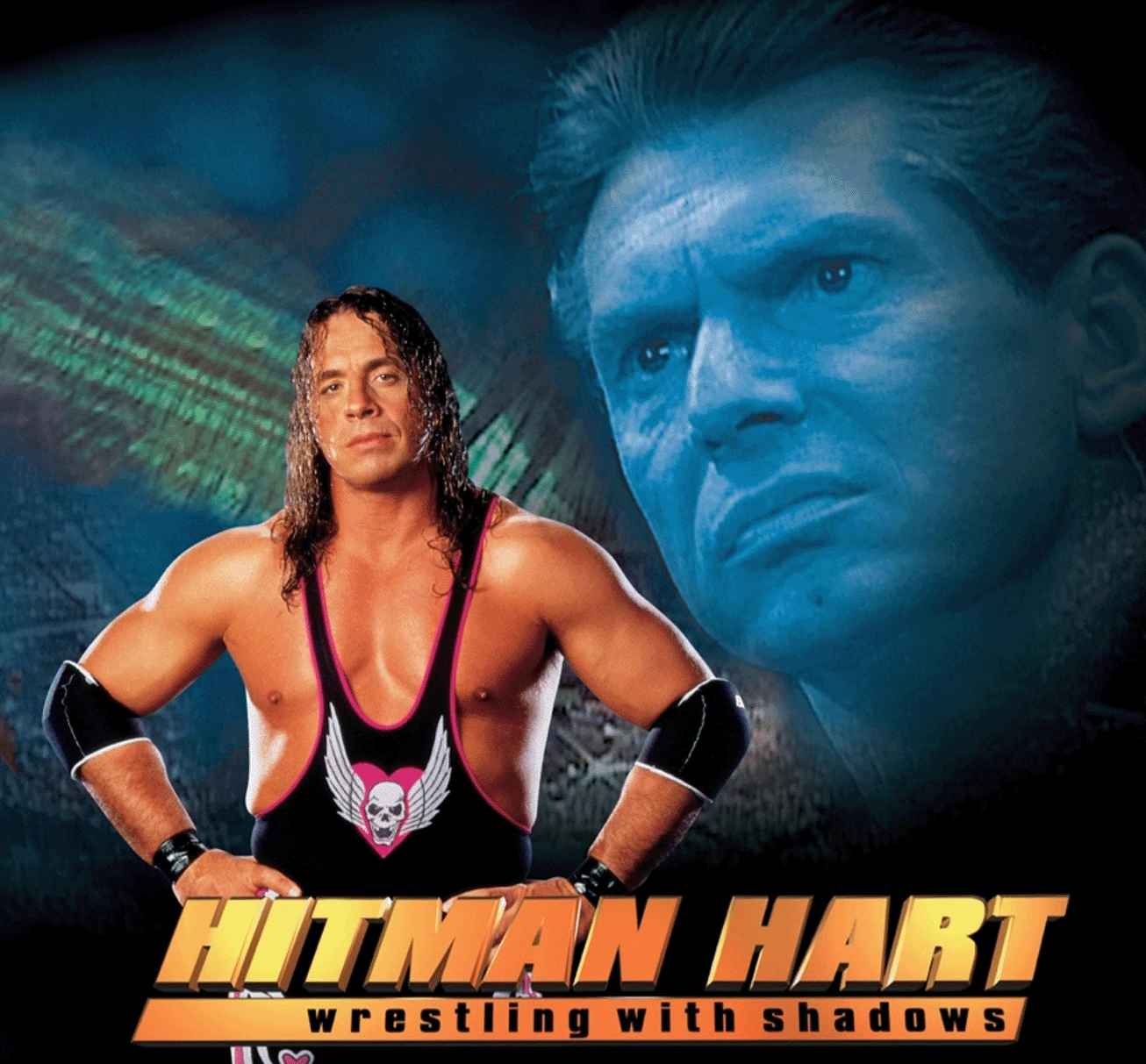
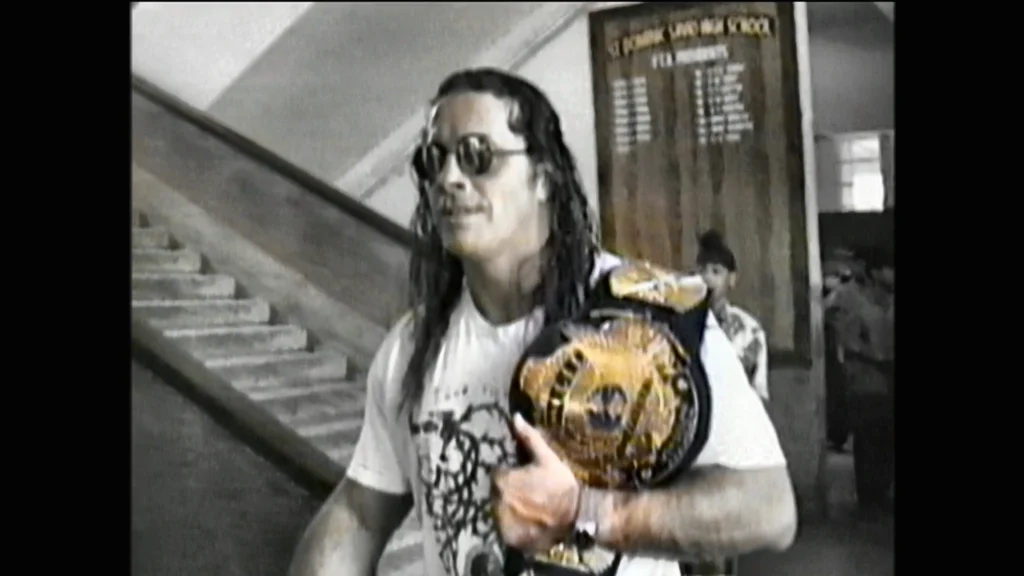
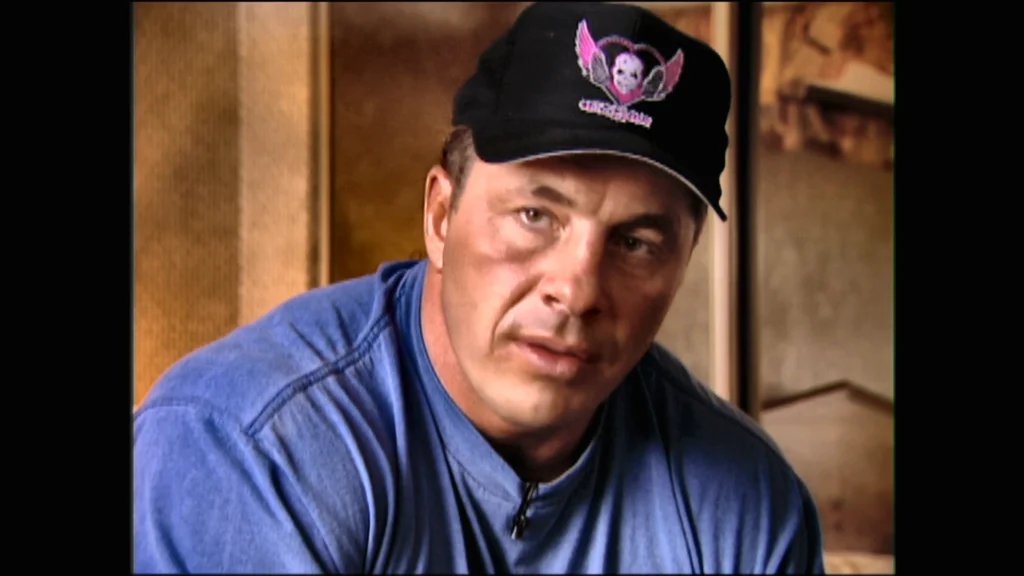
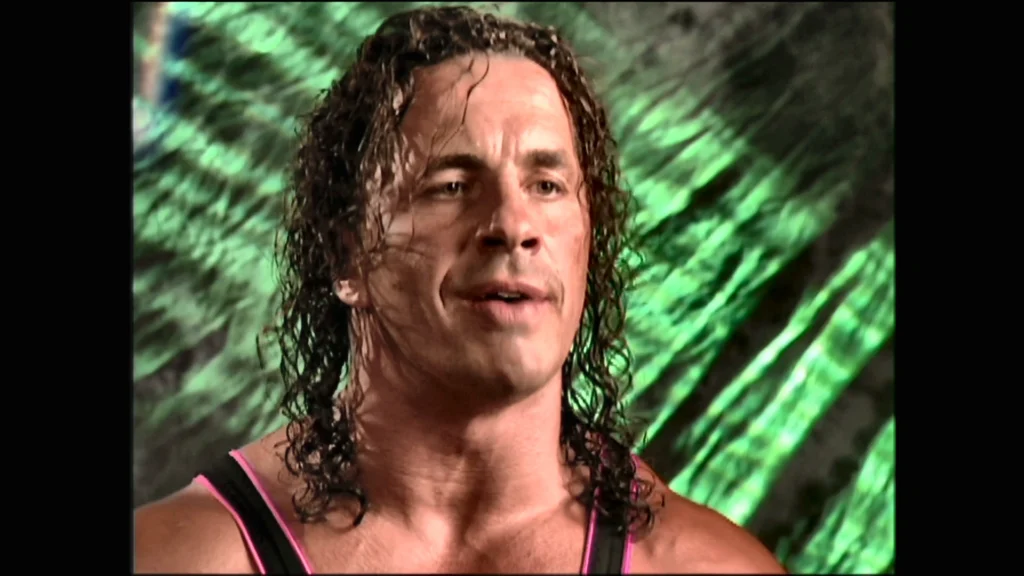
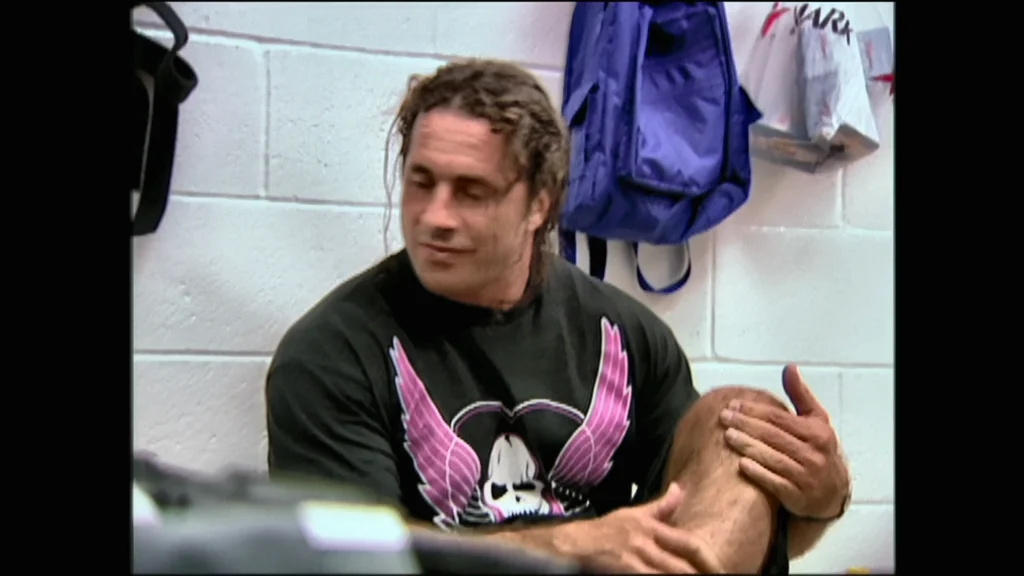
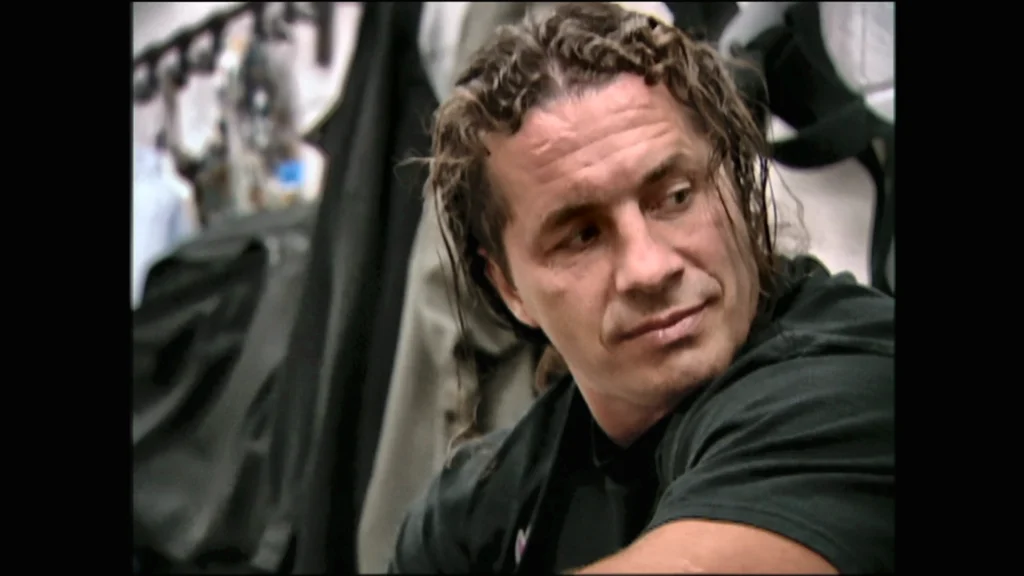
Bret Hart, five times champion of the WWF, sits in a hotel room one day before the most important fight of his life. Sure, it is just professional wrestling but this match is different. What Bret does not know is that he will be the target of the biggest double cross in the history of professional wrestling.






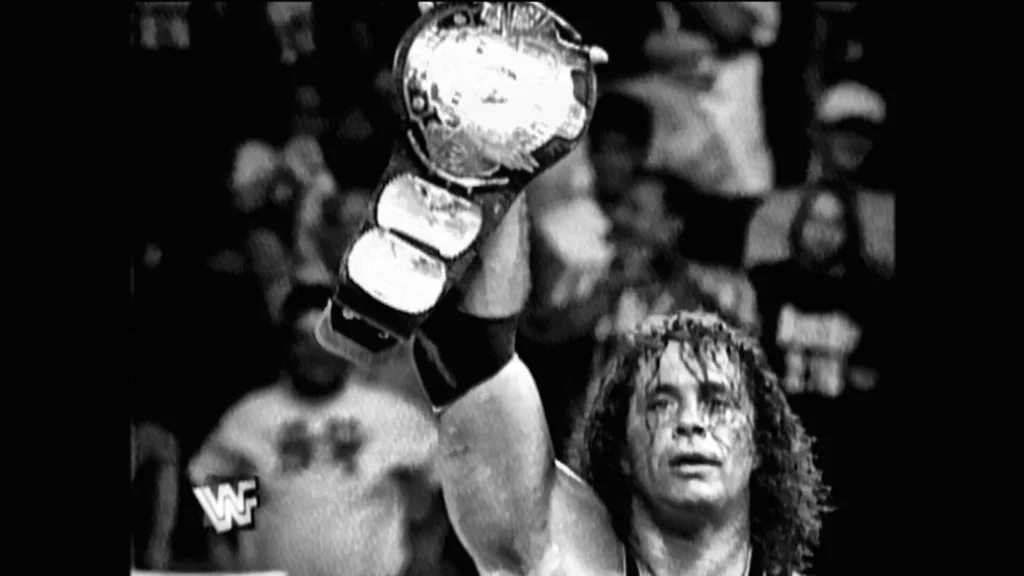
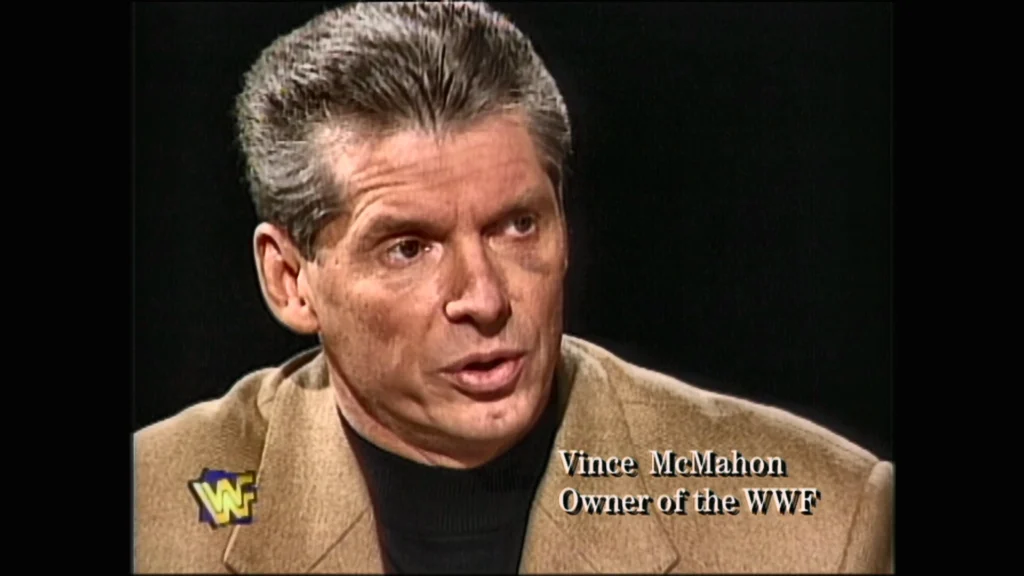
Bret Hart, five times’ champion of the World Wrestling Federation, sits in a hotel room – one day before the most important fight of his life. Sure, it’s just professional wrestling, but this match is different. It will be Bret’s last in the WWF, a company for whom he’s been the top guy and loyal champion for years. The owner of the company, the legendary Vince McMahon, want’s him out, only months after signing an unprecedented twenty years contract.
Now he want’s him to lose his final match as well. It’s not just another wrestling show for Bret. This fight will determine how his character ‘The Hitman’, wrestling’s favorite good guy for the last decade, will be remembered. Sitting in a hotel room, one day before the match. What Bret doesn’t know, is that he will be the target of the biggest double cross in the history of professional wrestling.
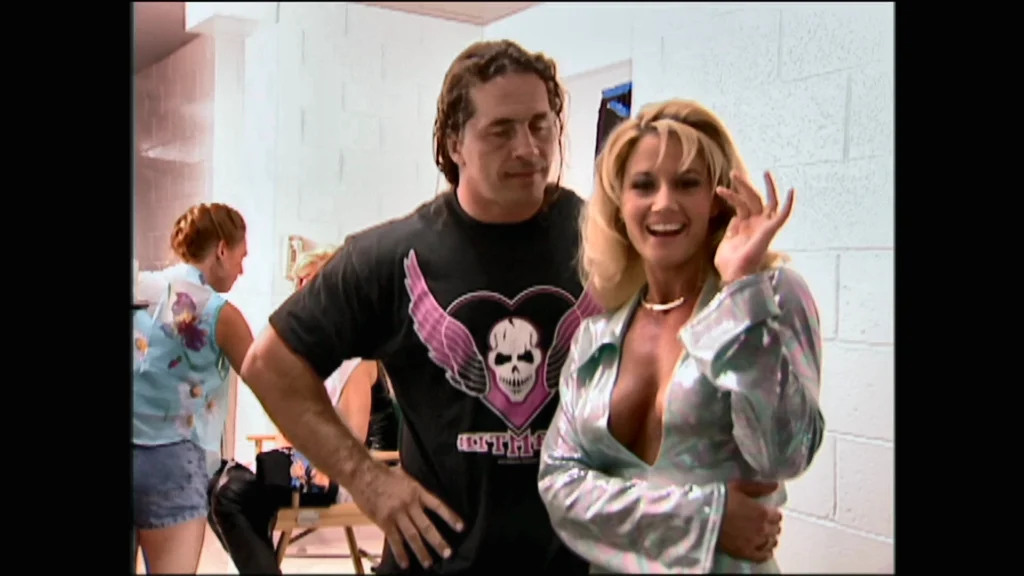
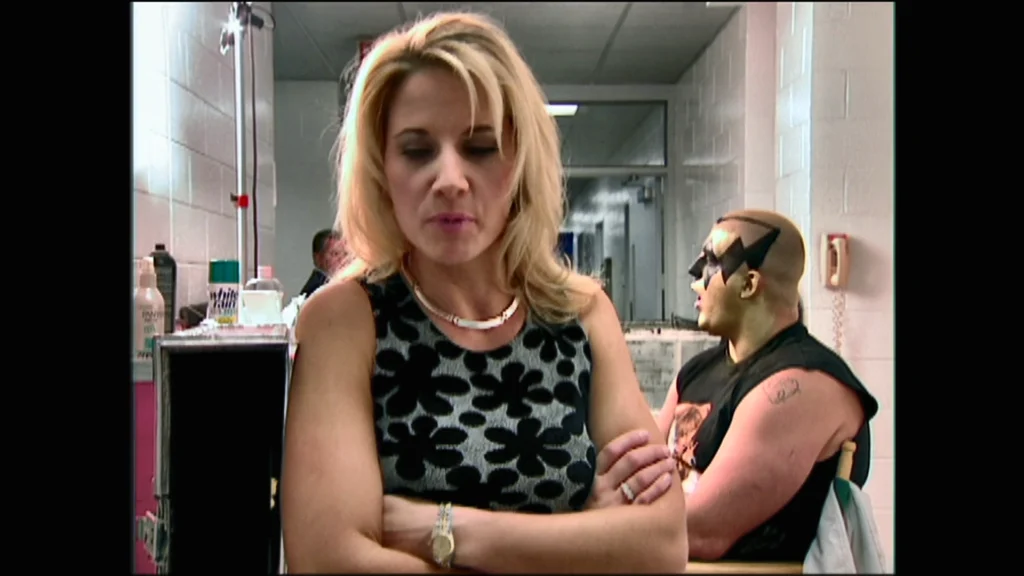
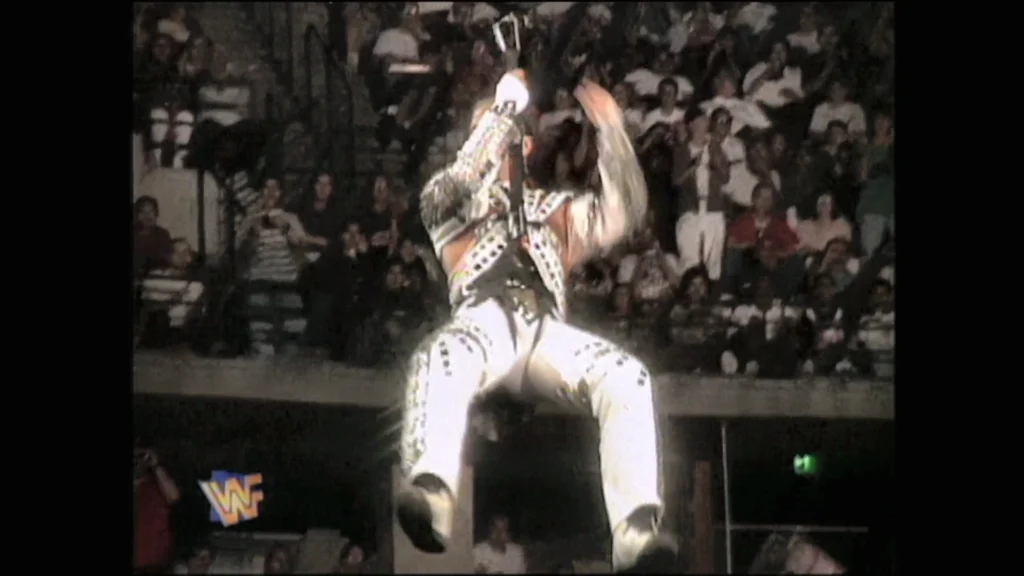
Over the span of one year, an award winning documentary film crew followed Bret Hart. They hoped for an unprecedented look behind the scenes of the WWF. What they got was the most dramatic story in the history of wrestling. HITMAN HART is a story about loyalty and betrayal, money and greed, dignity and disgrace. It’s about fathers and sons, fans and icons, and keeping one’s integrity in a world of moral uncertainty. In a word, it’s a film about being human.
Chicago Tribune
“The temptation is to hail ‘Hitman Hart: Wrestling with Shadows’ as one of the best and most surprisingly resonant documentaries you will see, no matter where you look… Transcends the genre it pioneered… one of the best documentaries about anything ever.”
— Steve Johnson, Tribune Television Critic — December 18, 1998
Newsweek
“One of the best films of 1998. Hall-of-mirrors trifles like This Is Spinal Tap, Natural Born Killers, The Truman Show, and The Matrix pale in comparison.”
— Peter Plagens
Ottawa Citizen
“A tale as bizarre as Kafka and as tragic as Shakespeare… riveting.”
— Tony Atherton
The Village Voice
“Classic tragedy of a modern hero… wildly entertaining and surprisingly thought-provoking… one of the most riveting and highly acclaimed Canadian films in years.”
— Dennis Lim (later Director of Programming, Film Society of Lincoln Center)
TVOntario
“This film is so brilliant… so complex and so watchable and funny and profound at the same time… it could be the best documentary I’ve ever seen. It’s Hamlet, transposed to our day and age.”
— Ian Brown
New York Times
“Brilliant…”
— Charles R. Lyons, Professor of Drama and Comparative Literature, Stanford
Boston Herald
“Phenomenal… as gripping a documentary as you’ll see.”
— Paul Sherman
The Tennessean
“A wonderful film, full of suspense, dramatic tension and, given the subject, a strange kind of melancholy… If there’s one film in the festival [Nashville Independent Festival] not to miss, it’s this one.”
The West Australian
“I sat mesmerized… a mind-boggling examination of middle America’s desperate need for heroes and villains… art and life become deliciously confused.”
Newsday (New York)
“Why does any of this matter? It matters if integrity and ideals matter. This is one whale of a tale. I was glued to the tube.”
St. Louis Post-Dispatch
“The year’s best documentary happened to debut on television (the A&E network), but that doesn’t diminish its achievement one iota… kept me enthralled sitting at home on my couch.”
Entertainment Weekly
“Artfully trenchant… revealing.”
— Rated ‘A’ — Pick of the Week — “What to Watch”
Broadcast Week
“Had me surprisingly pinned to the sofa for 90 minutes… great entertainment.”
LA Times
“An insightful and poignant portrait of a man’s struggle to reconcile self-respect with the demands of show business… viewers are taken on a great ride.”
Wall Street Journal
“Not a dull moment in 93 gruelling minutes of film.”
Star Week
“I was pinned to the living-room couch for the entire length of Hitman Hart, Wrestling With Shadows. This is truly a knockout film.”
Globe & Mail
“Paul Jay’s extraordinary documentary takes viewers into the weird world of North American televised professional wrestling.”
EYE Magazine
“It was a thought-provoking end to a story beautifully told… enthralling.”
POV Magazine
“Jay captured the ferocity and comedy of wrestling as performed by Hart even during the infamous ‘Montreal screwjob’ in which McMahon betrayed the ‘Hitman,’ exposing the sport for what it is: venal, corrupt, and theatrical.”
— Marc Glassman
The Independent (London)
“Jay’s documentary is constructed like a dramatic film. The documentary’s finale, centring on Hart’s final WWF match, is as dramatic as that of most movies you’ll see this year… terrific.”
|
Hot Docs! 1999 |
Best Feature, Best of Festival |
|
Gemini Awards ’99 |
Winner Best History/Biography Doc. |
|
Sundance Independent Film Festival 1999 |
Screening invitation |
|
Slamdance Film Festival 1999 |
Special Screening |
|
The International Emmy Awards ’99 |
Finalist for Best Documentary |
|
Banff Television Festival |
Rockie Award winner |
|
Columbus Int’l Film & Video Festival 1999 |
The Chris Statuette |
|
Canadian Association of Broadcasters’ Awards |
Gold Ribbon |
|
U.S. International Film and Video Festival |
Gold Camera Award |
|
Nashville Independent Film Festival |
Awarded Best Documentary |
|
Bangkok Film Festival ’99 |
Screening invitation |
|
Pärnu Int’l Documentary Festival (Estonia) |
Screening invitation |
|
Rhode Island International Film Festival |
Screening invitation |
|
New York Documentary Festival 1999 |
Screening invitation |
|
Canadian Society of Cinematographers Awards 1999 |
Awarded Best Doc. Cinematography |
|
Worldfest International Film & Video Festival 1998 |
Gold Award |
|
New York Festivals ’98 |
Finalist |
|
Sheffield International Documentary Festival 1998 |
Opening Gala |
|
Amsterdam Documentary Film Festival 1998 |
Best of the Fest showcase |
|
Sidewalk Moving Picture Festival 1999 |
Nominated for Best Documentary |
|
It’s All True Int’l Doc. Film Festival Rio de Janeiro |
Showcase |
|
Sydney International Film Festival |
People’s choice top ten films |
|
Australian Int’l Documentary Conference |
“Best of Current World Docs” showcase |
|
Double Take Documentary Festival 1999 |
Screening invitation |
|
INPUT 1999 |
Screening invitation |
|
Hot Springs Documentary Festival |
Screening invitation |
Q&A with director, Paul Jay
Q: Your last film, Never-Endum-Referendum, dealt with a serious topic – nationalism and personal identity in Quebec. Why go from there to a film about professional wrestling?
Jay: I guess I could make the obvious joke (about the similarities between the two topics), but in fact, there are parallels. Firstly, in NER I tried to find a human, populist way to delve into a serious subject. In HITMAN HART, I wanted to deal with how we look at morality, at good and evil. Wrestling was a way to do that, again in a human and populist way. As everyone knows, wrestling is about good guys and bad guys.
Q: What attracted you to the Bret Hart story?
Jay: As a Canadian filmmaker, I’m always on the lookout for a story about one of our own who plays on the world stage. I wasn’t really a wrestling fan, but I watched once in a while and knew that Bret was a big star. I saw an interview the WWF had done with him from Germany, and clearly the guy had amazing presence. At the time, he was thinking of quitting, and while the interview was a “work” (in wrestling terminology, part of a story line), the guy really seemed to be going through a crisis of some kind. It smelled like a story.
Then I discovered his family background. His father, Stu Hart, is a wrestling legend from Calgary, his mother Helen, a sophisticated New Yorker who hates wrestling with almost as much passion as Stu loves it. They had eight boys and four girls. All the boys became wrestlers and all four girls married wrestlers.
Q: Did you start to take wrestling more seriously?
Jay: I have a lot of respect for mass taste. There is a reason why some things have a mass appeal, and I don’t distance myself from those feelings. I don’t sneer, even at a Jerry Springer. People want to hear other people’s stories, and even if there is a morbid pleasure in seeing someone squirm on TV, the underlying attraction is people’s need to understand their own stories. This quite natural desire gets exploited and misused (sometimes venting racism and chauvinism), but it doesn’t mean there is anything wrong with what the mass audience is looking for.
Q: You have said you found the French philosopher, Roland Barthes useful.
Jay: I wanted to know more about what buttons wrestling was pushing. Barthes’ book titled Mythologies is insightful. He said “The virtue of wrestling is that it is a spectacle of excess… What is portrayed by wrestling is an ideal understanding of things… wrestlers remain gods because they are, for a few moments, the key which opens Nature, the pure gesture which separates Good from Evil, and unveils the form of a Justice which is at last intelligible.”
Q: The main story is about Bret’s real life struggle with Vince McMahon, the owner of the WWF. How did this develop?
Jay: Bret had wrestled for his father in Calgary in the early 1980’s. In ’84, Stu sold the promotion to Vince and the WWF… In the summer of 1997, Bret’s contract with the WWF was up, and he was a free agent of sorts. After a lot of soul searching, Bret turned down 9 million dollars US over three years to stay with Vince. His deal was for a lot less money, but with an unprecedented twenty year contract. Eight months into the new deal, Vince told Bret he couldn’t afford the new contract and that he should try to get his deal back with the WCW… It ended the match and a new world champion was crowned. In the theatre of wrestling, where scripted double crosses are considered part of the repertoire, this was the real thing.